Membership Committee Supports Membership Experience & Society Growth
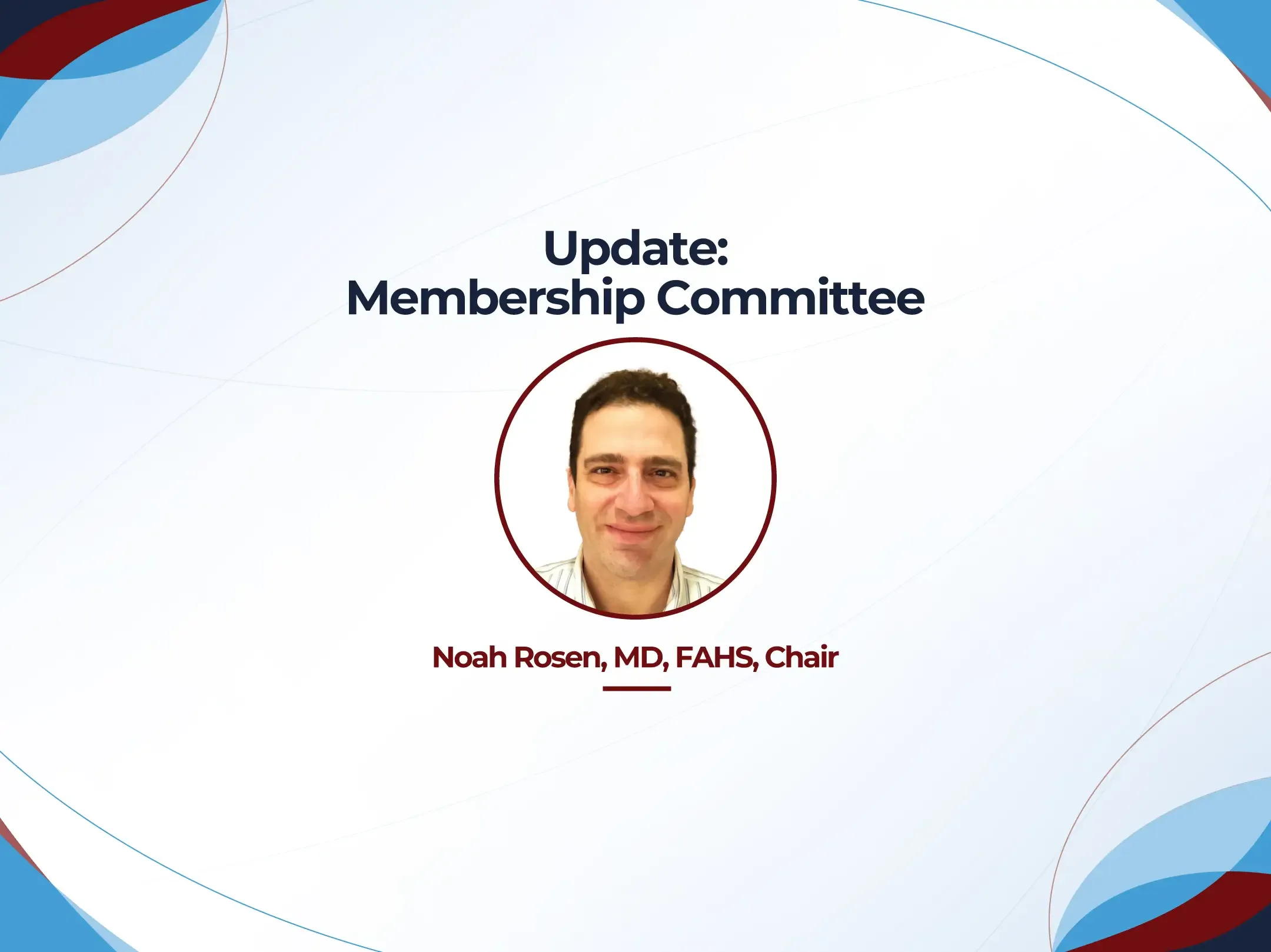
The Membership Committee focuses on strengthening the experience of current American Headache Society members and attracting new members by developing programs to increase membership quality and quantity. The committee also reviews and approves membership applications and manages all membership issues.
As AHS approaches the highest number of new members in its history, committee member Kristen Steenerson, MD, reflects on the committee's efforts. “We’ve had a banner year,” says Dr. Steenerson. “We're really proud of the overall accessibility and outreach of the Membership Committee.”
Much like other AHS Committees and Special Interest Groups, fostering a sense of inclusive belonging and community is at the heart of the Membership Committee’s work. For committee member Adam Sprouse Blum, MD, PhD, that includes exploring ways to support a diverse Society. “Migraine and headache disorders don't discriminate,” says Dr. Sprouse Blum. “It's important for our society to also not discriminate, to be open equally to all people across disciplines. So the goal of our committee is to say, how do we make everybody feel appreciated, included, and build everybody's career towards a common goal?”
Hear more from committee chair Noah Rosen, MD, FAHS, and other members:
Providing Development Opportunities
The Membership Committee has supported several initiatives, most recently adding two new scholarship opportunities: the Student Research Scholarship Award and the Medical Student Scholarship Award. Designed to expand access to annual meetings, these scholarships provide medical students and early-career researchers with travel support and early exposure to the Society. Recipients of the Student Research Scholarship Award also receive a research presentation opportunity, and recipients of the Medical Student Scholarship Award receive a one-year AHS membership or extension. This year, the inaugural Student Research Scholarship Award recipients were presented with plaques at the 68th Annual Scientific Meeting in June.
The Membership Committee has also invested in leadership development. AHS members can strengthen their skills, confidence, and readiness to lead within their community and the Society through three training programs. The Emerging Leaders Program supports early-career medical professionals, while the Leadership in Advocacy Development Program further develops mid-career healthcare professionals and physician advocacy leaders. Members in all career stages who aspire to take on broader leadership roles within the Society can take part in the Leadership Academy. “It's really a place that I think AHS has kept a focus on growing people's careers and really being a benefit to all of us,” adds Dr. Sprouse Blum.
The Membership Committee also supports the Annual Scientific Meeting and Scottsdale Headache Symposium, and works to increase attendance and satisfaction. “[The meetings are] one of the greatest values that AHS provides,” says Dr. Rosen. “We really want to understand what brings people here, what they're looking for from the meeting, and how we can continue meeting the needs of our membership.
Access to these resources and community-building opportunities motivates Rachel Darken, MD, PhD, to be involved with the Membership Committee. “[I want] everybody to have the kind of experience that I've had where they feel welcome here at the American Headache Society and feel like this is something that can be really meaningful,” says Dr. Darken. “Help build your clinical acumen, your career, your understanding of headache medicine, gain friends — all of that is something that since I feel I've gained it, I want other people to be able to experience that as well.”
How To Get Involved
While AHS members can get involved in many ways, Dr. Steenerson encourages joining a committee or Special Interest Group. “You're always welcome to join the Membership Committee specifically, but we have many different committees within the American Headache Society that need volunteers and need experts of all different backgrounds to help ensure that we have the diversity and experience that will make us all stronger.”
Dr. Rosen also encourages members to attend both the Annual Scientific Meeting and the Scottsdale Headache Symposium to access different offerings, learn about the current advancements in the field, and meet with colleagues.