Wellness Pearls for the Headache Medicine Specialist
Wellness is not the absence of discomfort. Positive growth happens when we are both challenged and supported. Embrace the discomfort as it will pass but the growth will remain.
Whenever you say “yes” to something, you are saying “no” to something else. Choose wisely. Time is not the problem, it’s a lack of being intentional in how we prioritize our time. Others may choose differently – that’s okay, they don’t have to agree with you nor you with them.
Adopt new technology. Too often we feel too busy to learn the newest, more efficient ways to do our work and live our lives. Regularly set aside time to learn a new process whether it be clinical notes, AI integration, email optimization or food delivery.
Pick your leaders wisely (if you can). It likely affects your wellbeing more than salary. If your leader is not practicing self-development and does not prioritize their own wellbeing, you are more likely to be burned out.
Hire a professional coach. Just 3 hours of coaching can reduce your rate of burnout by enabling you to live a value-based life, reduce inter-personal conflict, and increase your sphere of influence. Look for an ICF certified coach who has experience working with healthcare professionals.
You are a limited resource. There is no shortage of headache patients who need us but there is a shortage of you. No one will respect your boundaries if you don’t maintain your boundaries. Self-sacrifice can easily become self-destruction.
Be a part of and donate to legislative advocacy groups, like the Alliance for Headache Disorders Advocacy (AHDA) or BrainPAC (if a member of the AAN). So much of the dysfunction of medicine needs federal and state legislative attention. The problem of burnout in healthcare can only be solved with our voices at the legislative table.
About the Author
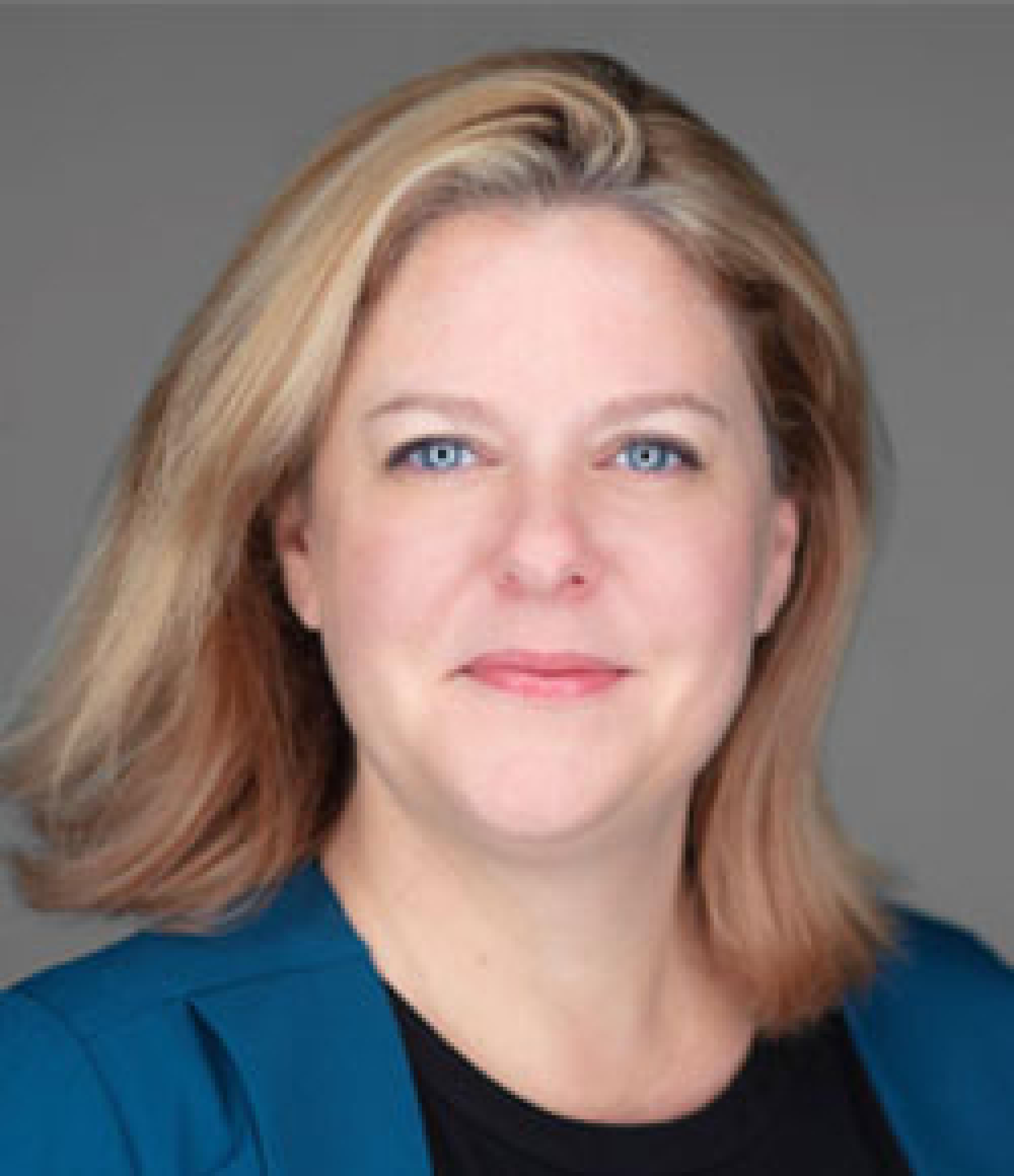
Jennifer L. Bickel, MD, FAHS is the chief wellness officer for Moffitt Cancer Center in Tampa, FL, where she is charged with creating system change to improve professional well-being through an operational emphasis on meaningful, essential work; a culture that promotes well-being; and through tailored support programs. She is also a professor of oncologic science at the University of South Florida.