Full-Time Telemedicine Career in Headache: Top 10 Considerations
Date: 09/03/2026
Most headache clinicians have embraced virtual telemedicine visits as part of their practice. Patients appreciate this option especially for routine follow-up visits. However, what does it look like to be 100% practicing telemedicine for headache? Here are some important considerations if transitioning to this practice model exclusively.
- Compensation: This needs to be made clear before signing a contract. In most cases, the provider is paid per visit or per-RUV without a salary. What happens when a patient is a no-show for their telemedicine visit? Is there a no-show fee that the provider would get a portion of? And is there a baseline salary that can be negotiated? In addition, is there compensation for time spent on documentation, assisting with prior authorizations, responding to patient emails?
- Multi-state licensure burden: How many states does your employer require you to be licensed in? It can be very time-consuming and costly to meet all the requirements for each state. Determine ahead of time which states you will need to be licensed in and if you will have assistance both financially and clerically with the various state applications.
- Malpractice Coverage: Confirm that the employer will cover you for all states for which you are licensed and if the new policy will cover any claims from your previous malpractice coverage. In addition, if you leave your telemedicine position, will tail coverage be in place? If not, you will be responsible for paying for your own tail coverage, which can be costly.
- Control of your Schedule: Determine how patients are scheduled. Are new patients simply placed in the next available slot with whoever is available and if so, is there a limit on how many new patients you can be booked with per day. Can you develop your own headache-specific panels and provide continuity of care for that group of patients?
- Support Staff: Find out what help you will receive with patient care. Do you have nurse triage staff to help with prior authorizations, referral for in-person care when procedures like Botox or nerve blocks are needed? Can your patients talk to a live person? Having staff to assist with telemedicine is critical.
- Isolation/Loneliness: Seeing patients virtually all day long can be tedious. Make sure you are up for this aloneness and sense of isolation. You may miss the interaction that you used to have when going into an office, chatting with patients, staff, and pharmaceutical reps.
- Technical/Internet/Connection Issues: It is critical that you have good internet connection if doing telemedicine full-time from home. You may need to invest in wireless extenders, a dedicated laptop for your virtual visits, a large monitor, a quiet dedicated part of your home, and a way to ensure that family members do not interrupt the privacy of a virtual visit. Background noises, e.g. the trash pick-up trucks, the HOA tree trimming, the neighbor’s gardeners, a dog barking can all be frustrating when conducting a virtual visit. In addition, patients may have connection issues or may have lost the link for the virtual visit. Know ahead of time how to handle technical glitches. Find out if you can conduct the visit if the patient is unable to turn on their camera for the visit. Find out if you can call the patient and conduct their visit if they are unable to connect on the HIPAA compliant link.
- Procedures: If you no longer see patients in person, you may miss performing Botox and nerve block procedures. Make sure you are comfortable with this change.
- Escalation of care: Determine how you will support patients whose headaches worsen. Because you cannot bring them in for an in-person exam, you or a triage nurse or medical assistant will need to decide whether the patient should go to the emergency department, visit urgent care, see their primary care provider, or be referred for imaging such as an MRI. This can be time-consuming if already booked with telemedicine visits that day.
- Career satisfaction: Practicing telemedicine full-time can be very rewarding, especially if you are burned out from running a medical practice. It is an opportunity to focus on patient care without the administrative burdens of private practice. Patients are grateful for virtual headache care, especially those living in remote areas.
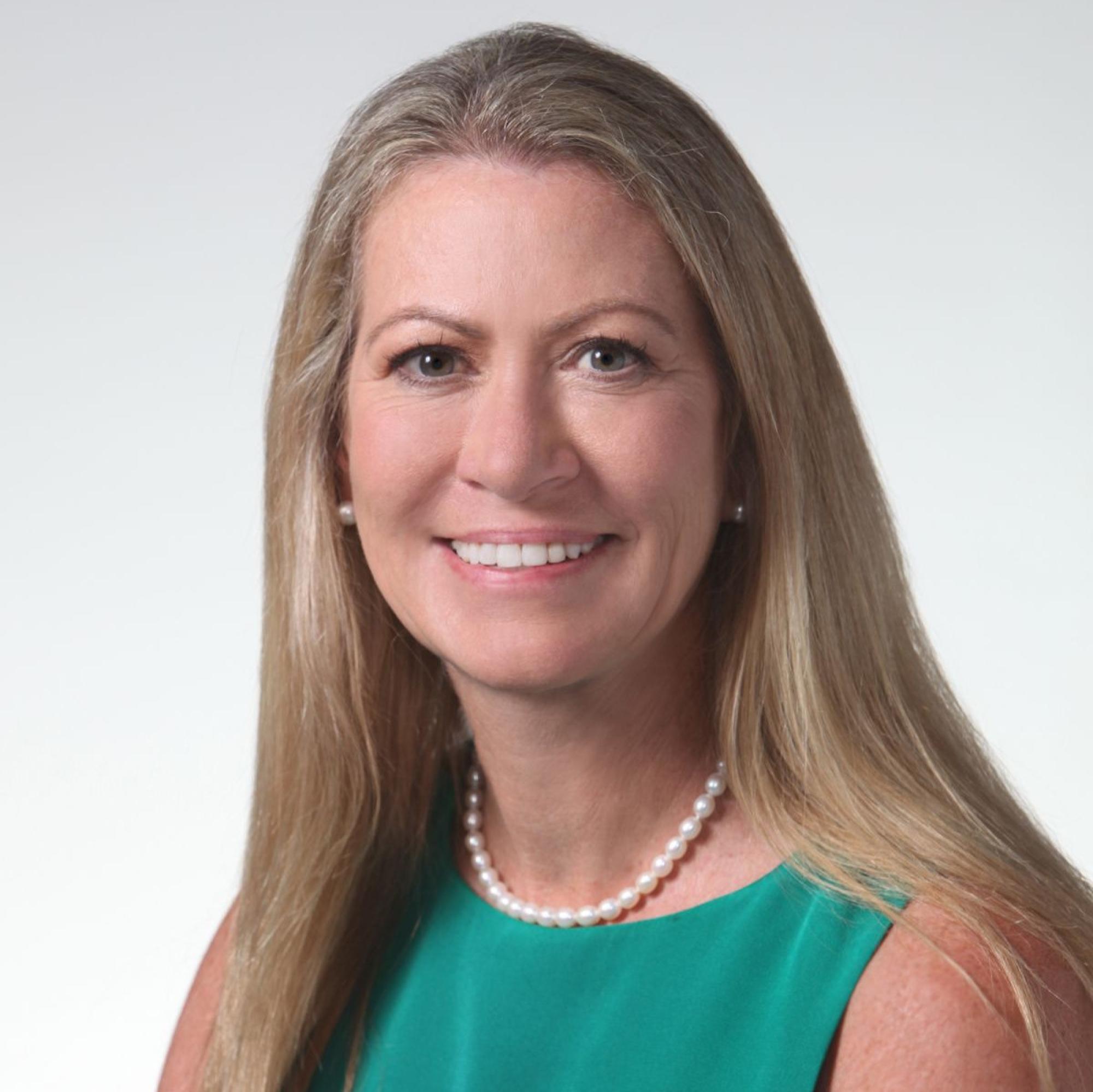
Dr. Hutchinson is board certified in family medicine and UCNS certified in headache medicine. She is Director of Headache Medicine at Haven Headache & Migraine Center in California, where she provides virtual care for patients with headache disorders. She serves on the AHS Practice Management Committee.